8 Reasons Why Every Business Needs a Website
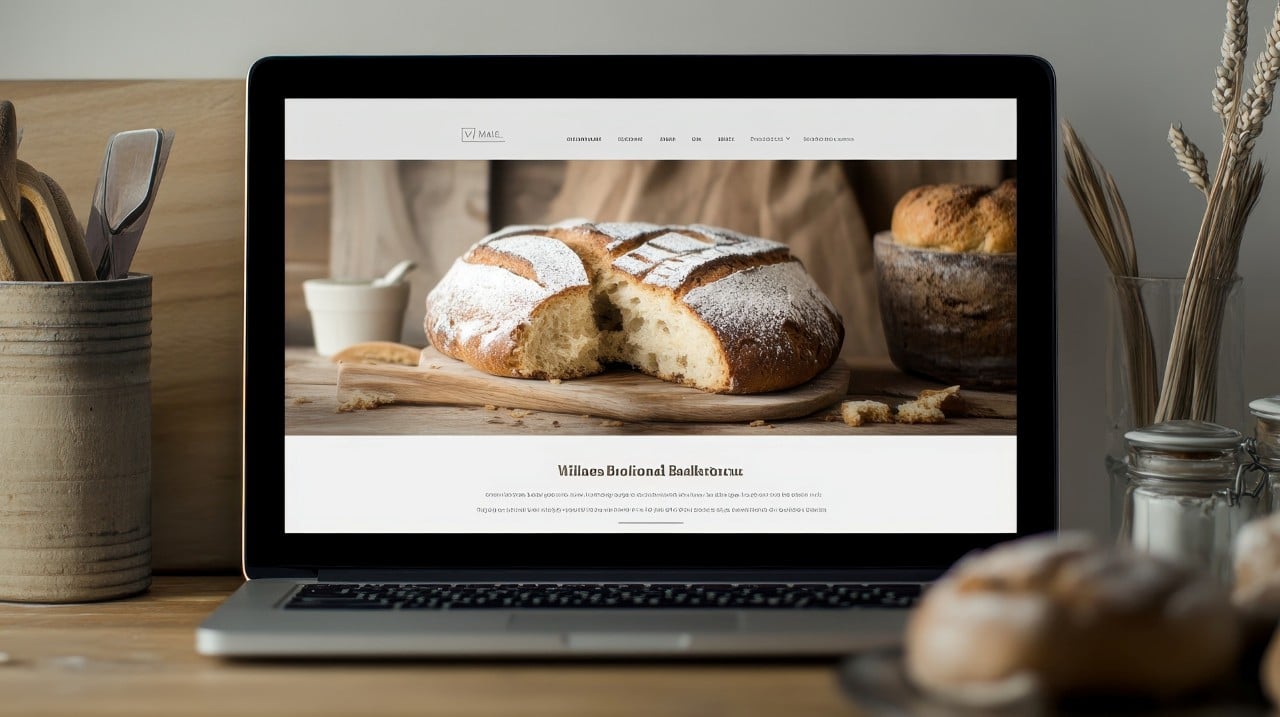
If your business doesn’t have a website, you’re quite literally leaving money on the table. And while that may seem like a far-stretched claim, the reality is that a website is one of the most effective tools for nurturing potential customers and growing your business in today’s digital world.
To help you better understand the importance of having a website for your business, in this article, we’re going to cover:
- The importance of having a website
- Who can benefit from having a website
- 8 reasons why every business needs a website
- Common misconceptions about websites
And in the end, we’re going to explain how you can get started with your own website.
The Importance of a Website in Today’s Digital World
As a business, having a website isn’t just an optional luxury anymore; it’s a necessity that can completely transform your business for the better. Here’s the impact a well-built website can have on your business:
- New customers can learn about your business and your offerings 24/7, 365
- A well-built website can build credibility and trust among potential customers
- Having a website allows customers to have a great first impression
- A website can extend your business beyond your local community through the power of SEO and paid advertising
Who Benefits From Having a Website?
The truth is that no matter whether you offer a service or sell a physical product, almost every business or individual can benefit from having a website. And that comes as no surprise considering 22.6% of all global retail purchases are expected to be made online by 2027.
To give you an idea, here are some real-world examples of who can benefit from having a website:
- Service providers such as plumbers, fitness coaches, and accountants
- Small businesses such as restaurants, hair salons, and private tutors
- Educational facilities such as schools, colleges, and universities
- Retailers such as gift shops, grocery stores, and bookshops
- Self-employed professionals such as lawyers, digital marketers, and nutritionists
Reasons Why Every Business Needs a Website
If you’re a business owner still wondering, “Why do I need a website for my business?” you’re not alone. Here are just some of the many reasons why every business, regardless of size or industry should have a website:
Builds Credibility and Trust
Having a website allows your customers to not only learn more about your business and the services or products you sell, but also signal that you’re legitimate and trustworthy. And this matters more than you think, considering a staggering 91% of customers say that they’d buy from a company that has gained their trust.
Increases Visibility and Reach
By having a website, new and existing customers can find you online, read about the products and services you sell, and decide if they want to do business with you. This is crucial because unlike a physical store, which is limited to a certain area, your website is available to everyone, regardless of the user’s location.
Attracts New Customers
Long-gone are the days where people actively ask their closest friends and family for recommendations. Today, almost everyone goes on Google and searches the web for a solution to their own problems. And guess what, by having a website, people who are searching for what you’re offering will sooner or later end up finding you.
Enhances Marketing Efforts
SEO and paid advertising are two of the most powerful marketing methods in today’s digital world. And when you have a website, all that traffic can be directly funneled to your website and converted into new customers and more revenue.
Generates Revenue
If you’re a company that sells any type of product or service, you can design your website in such a way that it can accept payments, opening a brand new source of revenue for your business.
Strengthens Your Brand Identity
Your website gives you the opportunity to tell your customers your story, highlight your values, and separate yourself from your competitors. Through consistent messaging, visuals, and tone of voice, you can create a memorable impression that will make your business more recognisable and build loyalty among your customers.
Offers Cost-Effective Advertising
Whether you invest in SEO or any paid advertising or choose to only have a website, that’s still better than not having one at all. And the reason for that is because every time an existing or potential customer finds and visits your website, you’re practically advertising yourself to them completely for free.
Provides Better Customer Support
If a custom has a question or wants to express a concern, when you have a website, they can quickly and easily visit it and reach out to you or your customer support team. When you don’t have a website, customers may be a lot more confused about how to reach you, leading them to become more frustrated.
Common Misconceptions About Websites
Despite all of the benefits that come with having a website, there are still some misconceptions, which cost businesses a lot of money each year, including:
“My Business Is Too Small for a Website”
A large percentage of small business owners believe that their business is too small to have a website. The reality is that in today’s digital world, even the smallest of businesses can see significant benefit from having a website.
“Social Media Is Enough”
Although social media can generate a great deal of revenue for a business, it’s important to remember that you don’t actually own your social media profiles. Whether through an error or if you accidentally violate the terms of use, your social media profiles can get permanently deleted.
When you have a website, you’re in full control. Not only that, but having a website can also enhance your SEO efforts, which will make it easier for even more customers to find the products and services that you offer.
“Websites Are Expensive and Complicated”
This was true many years ago. Over the years, however, drag-and-drop website builders have grown in popularity, allowing you to quickly and easily build yourself a stunning and fully functioning website even if you’ve never done it before.
Sure, it may take some time getting used to, but it’s not going to cost you thousands of pounds, which makes having a website a no-brainer, even if you’re on a tight budget.
How to Get Started With Your Website
If you’re yet to build a website for your business but are keen on giving it a go, follow the four steps below to get started.
Choose the Right Platform
Whether you’re planning on hiring expert website builders to develop your website from scratch or you’re planning on using an off-the-shelf solution, the first thing you need to do is decide which website platform you’re going to use. Some of the most popular platforms for websites include:
- WordPress
- Shopify
- Wix
- Squarespace
Design for Your Audience
The importance of UX design that focuses on your specific audience cannot be overstated. When you have a well-designed website, it’ll not only look professional, but it’ll also be more engaging and easier to navigate, which will naturally incline more people to take action.
Add Essential Features
Once you’re happy with the overall design of your website, it’s time to add all of the essential features. This includes adding e-commerce functionality (if applicable), contact information, customer testimonials and reviews and integrating your social media profiles, to name a few.
Maintain and Update Your Website
Once your website is built, you need to make sure that it is regularly updated. Remember, unlike a physical business, people can visit your website around the clock, so making sure that every piece of content is accurate, relevant, and up-to-date is crucial for maintaining a good user experience.
Final Thoughts
Having a website is crucial, regardless of how big or small your business is or what product or service you offer. Hopefully, after reading this article, you now have a better idea of the importance of having a website and what it might mean for your business if you don’t.
If you’d like a website for your business but you don’t trust yourself with making one, that’s okay. Please contact us today and our website development team will be more than happy to discuss everything with you in more detail.