

The Fundamentals of Game Design: A Complete Guide
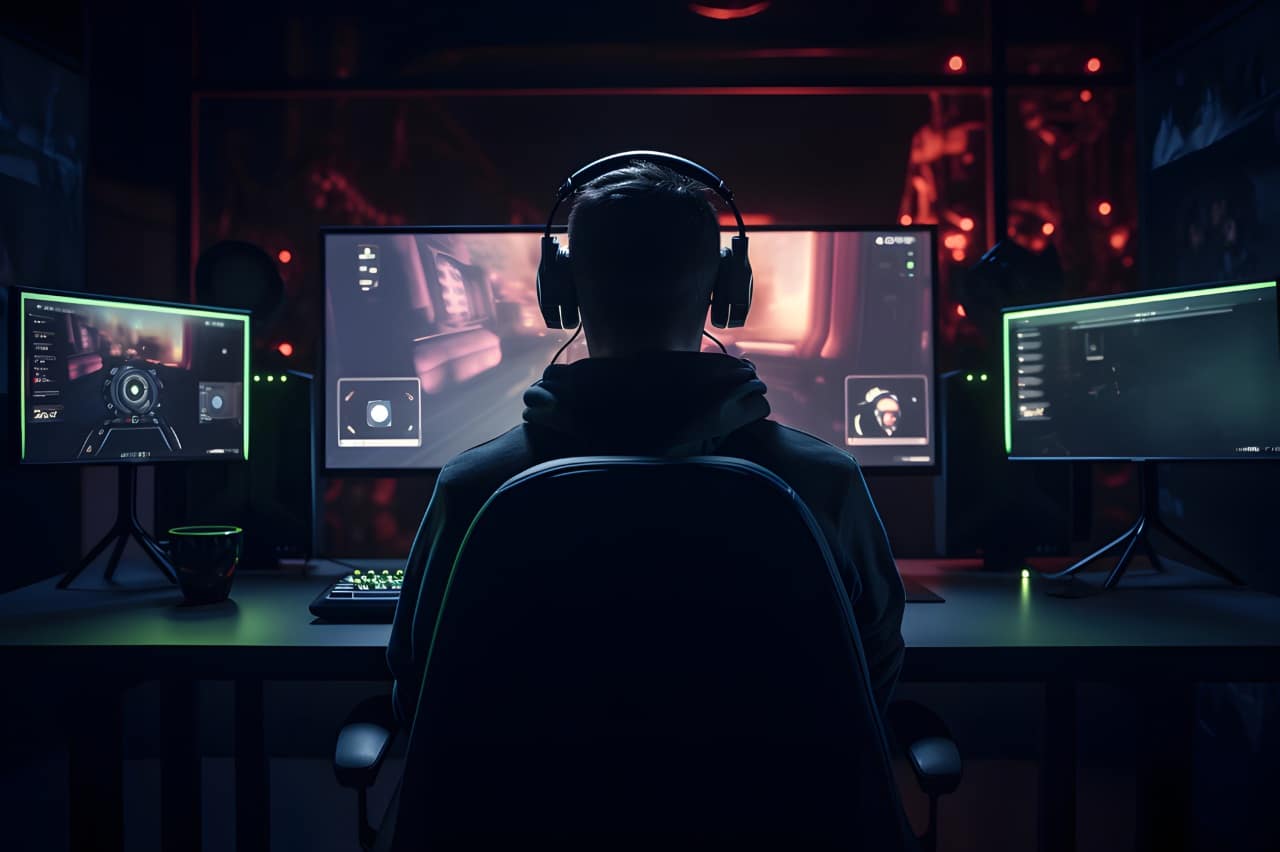
Good visuals and a killer soundtrack help – but what really keeps players coming back to a game is the design underneath. That’s what makes a game feel right in your hands: it’s less about how a game looks or sounds, but how it plays, flows, and challenges you.
At its best, game design is invisible. You don’t notice the rules, the pacing, or the difficulty curve. You just play – and it feels natural. At Pixelfield, that’s what we aim for with all of our clients: design that’s so intuitive it practically disappears.
Mechanics That Feel Right
Mechanics are your game’s basic actions, aka the building blocks. Jumping, swapping weapons, sprinting, healing – these things might seem simple, but they’re the core of your game’s rhythm.
Done well, they don’t just work – they feel good. And that’s the real test. Are they responsive? Can they be mastered? Do they connect to what your game is trying to be?
It’s not about overcomplicating, and more about making sure every interaction supports the player’s goals. If something gets in the way or feels clunky, it’s probably not worth keeping.
Why Progression Keeps Players Hooked
Games need to move, and players need to feel like they’re building toward something – skills, rewards, story, status. Without that forward motion, interest fades and they’ll move onto the next game.
A strong progression loop gives players motivation. That might be levelling up, unlocking abilities, reaching new environments, or just the dopamine hit of nailing a combo. Whatever form it takes, it needs to make people want to keep playing.
The Role of Narrative (Even in Games Without Stories)
Not every game needs a plot twist or emotional monologue. But even the simplest arcade game benefits from a bit of narrative glue – why are you running? What are you chasing? In short, what’s the point of it all?
Narrative can be quiet, though: a bit of worldbuilding, a loading screen message, even a recurring symbol. It doesn’t have to compete with gameplay – it just has to support it.
And when it does, it gives everything more weight. Suddenly that level isn’t just hard – it’s meaningful. That’s the power of subtle story design.
Art and Audio Should Serve Gameplay
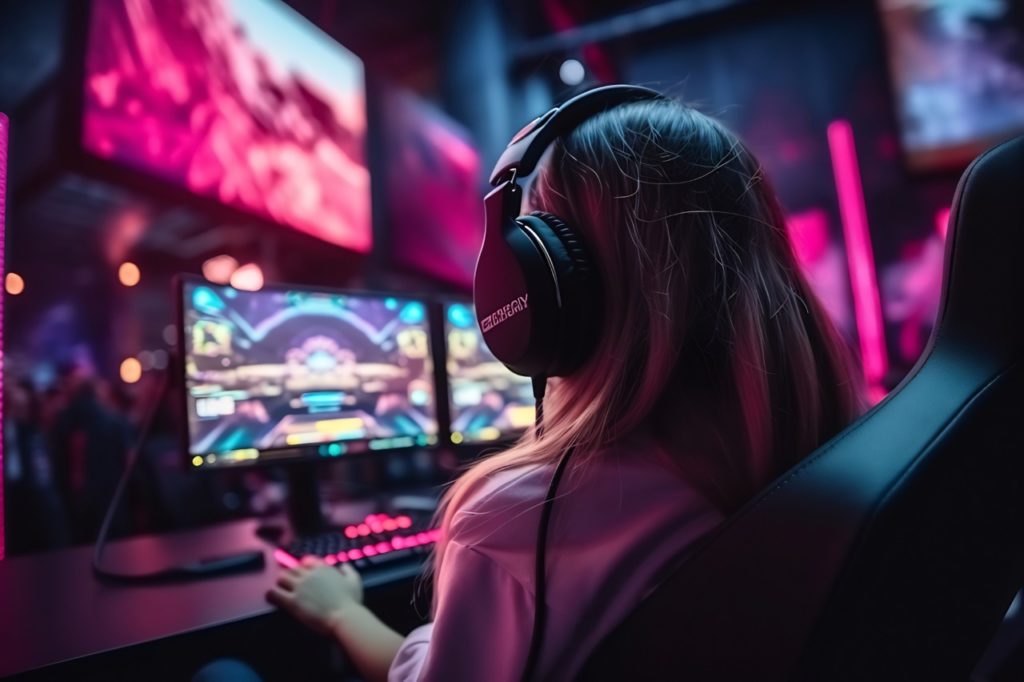
A game’s look and sound should do one thing, and that’s make the experience better. Not just prettier or louder – but clearer, smoother, more immersive.
Whether it’s lo-fi, pixel, hyperreal or abstract, sound design in game development should match your gameplay. Same with audio: a low swoosh might signal a near miss. A sharp ping might reward progress. These all make up a key part in how the game communicates.
That’s something we focus on at Pixelfield – making sure every element supports what the player needs to feel.
Tuning Difficulty Without Killing the Fun
Too easy? Players check out. Too hard? You get players who rage quit and leave emotion-fuelled 1-star reviews on the app store. The best games hit that middle ground where failure teaches you something – and success feels earned.
There’s no one-size-fits-all answer here. Some games dynamically adjust based on player performance. Others let players choose their own challenge. Either way, the difficulty should be fair, not punishing for the sake of it.
Design should push players without blocking them – and that’s how games stay addictive.
Why You Shouldn’t Do It Alone
Designing a game on your own is possible – but getting an outside perspective is often what makes it great. You need someone to tell you when something’s clunky, confusing, or just not working.
That’s where we come in. At Pixelfield, we don’t just build what you ask for. We offer feedback, share what’s worked in similar projects, and help you make smart choices – not just cool ones. If something’s going to drain your budget without real value, we’ll tell you.
Our role is to help you get the game from idea to screen, all without wasting time or money. When you work with us, our game development team brings ideas to life, all while advising you on the most cost-effective and ROI-focused way to get things done.
Focus on Playability First, Aesthetics Later
Here’s a trap a lot of developers fall into: spending weeks on splash screens, character models or UI layouts before the game even plays. Don’t do that. You need a playable build before you worry about polish. Core loops. Controls. Feedback. Once that’s solid, the styling will actually fit the gameplay instead of fighting it.
If it’s not fun in greyscale with stick figures, it won’t be fun in 4K with voice actors. Start small. Get it playing right, then you can scale.
If you’re building a game and want a second set of eyes – or someone to jump in alongside you – contact us and let’s talk about what you’re building.

