

Web Design and Web Development: Key Differences
Creating a website requires more than just a great idea – it involves both design and development to ensure a seamless user experience and functional performance. To help you get a better understanding of the key differences between web design and web development, in this article, we’re going to cover:
- What web design and web development are
- The key aspects of web design and web development
- The key differences between web design and web development
And hopefully, by the end of this article, you’ll have a clear understanding of the key differences between web design and web development and how both contribute to building a successful website.
What Is Web Design?
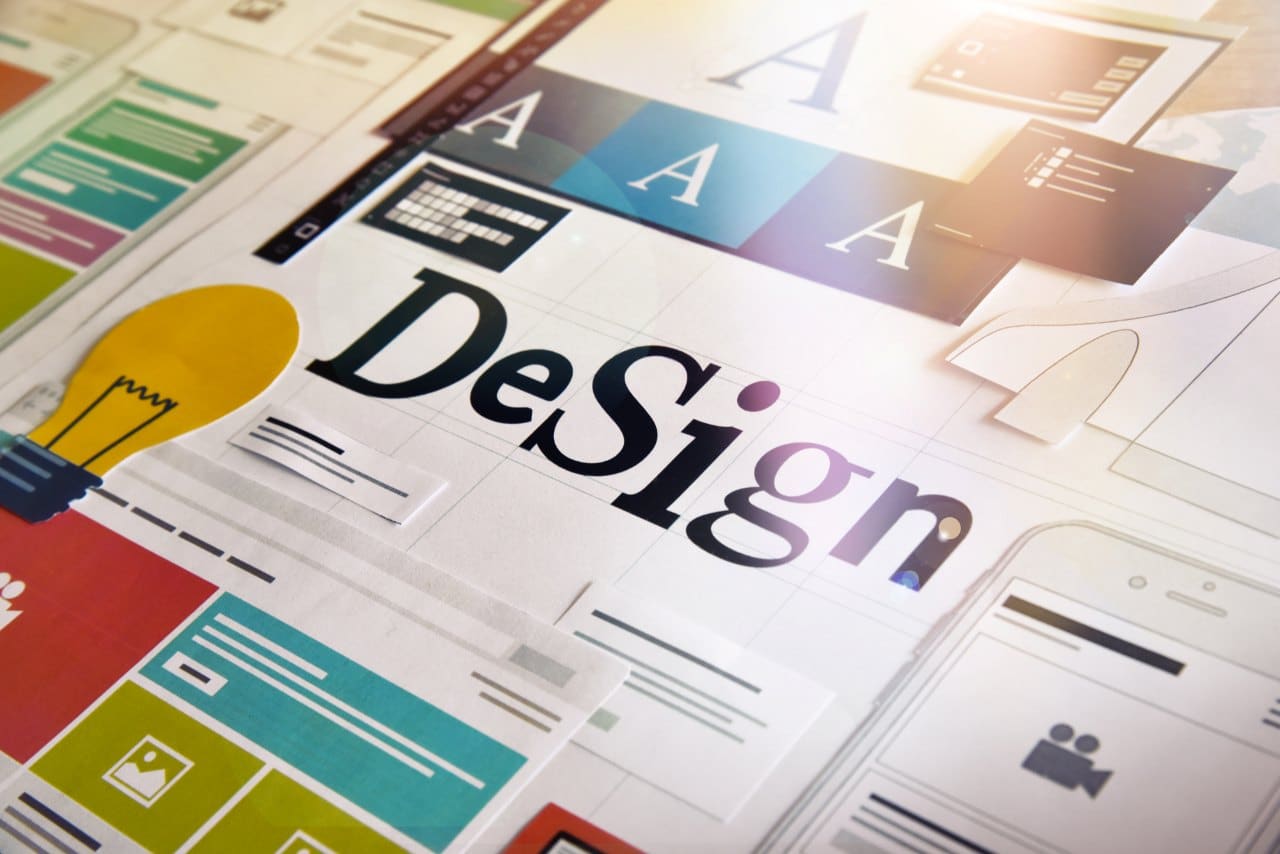
Web design refers to the process of planning and creating the layout, structure, and visual elements of a website. This involves everything from how the website looks to how users interact with it.
Web designers aim to create a user-friendly, visually appealing site that aligns with the brand’s identity and provides a seamless experience for visitors.
Key Aspects of Web Design
There are several key aspects that make up web design. They include:
- Layout & Structure: Organising content in an intuitive way that guides the user’s journey.
- Typography: Choosing fonts and text styles that enhance readability and match the brand’s tone.
- Colour Scheme: Selecting colours that complement the brand and create the right atmosphere.
- Visual Hierarchy: Using size, spacing, and positioning to guide users toward important content or actions.
What Is Web Development?
Web development is the technical aspect of building and maintaining websites. It involves turning the design into a functional website using programming languages such as HTML, CSS, JavaScript, and server-side technologies.
Web developers focus on creating the infrastructure, coding the site’s functionality, and ensuring it runs smoothly across various platforms.
Front-End vs. Back-End Development
Web development can be divided into two main categories. They include:
- Front-End Development: This focuses on what users see and interact with on the website. Front-end developers work with technologies like HTML, CSS, and JavaScript to create the visual layout and interactive elements of the site.
- Back-End Development: This involves the server-side components that users don’t see. Back-end developers handle databases, server logic, and integration with third-party services, ensuring the website functions as expected behind the scenes.
Web Design vs. Web Development: Key Differences
While both web design and web development contribute to creating a successful website, they differ in several key areas:
Focus & Purpose
Web design is about creating an engaging and user-friendly interface. Designers focus on visuals, layout, and branding to ensure a seamless user experience. Web development, in contrast, is responsible for making the website functional, ensuring that everything works correctly through coding and technical implementation.
Required Skills & Tools
Web designers use tools like Figma, Adobe XD, and Sketch to create visually appealing layouts. They focus on design principles, typography, and colour schemes. Web developers rely on programming languages such as HTML, CSS, and JavaScript, using frameworks to build and maintain websites.
User Experience vs. Technical Performance
Designers prioritise user experience, ensuring the website is intuitive and visually appealing. Developers focus on technical performance, optimising site speed, responsiveness, and security to enhance functionality.
Career Paths & Job Roles
Web design careers include UI/UX designer and graphic designer. Web development roles range from front-end and back-end developers to full-stack developers, depending on expertise in coding and technical implementation.
How Web Design and Web Development Work Together
Although web design and web development are distinct disciplines, they work hand in hand to create a cohesive website.
Designers create the visual blueprint, while developers bring it to life through code. Collaboration is key – designers must understand the technical constraints of web development, and developers must work within the design parameters to deliver a functional, beautiful website.
Which One Should You Choose?
For businesses or individuals looking to build a high-performing website, both disciplines are essential. Choosing web design will ensure a strong, appealing first impression, while web development guarantees the site functions smoothly and efficiently.
Often, hiring professionals in both fields is the best approach to ensure all aspects of your website are covered.
Final Thoughts
When you look at web design vs web development, understanding the differences between the two is crucial for selecting the right approach for your project. While web design focuses on the visual and user experience aspects, web development brings the technical functionality of the website to life.
Now that you know the key differences between web design and web development, consider familiarising yourself with why a website is essential for business success.
By understanding how a well-designed and properly developed website can impact customer engagement, brand perception, and overall business growth, you’ll be better equipped to make informed decisions.

